Why Ventilation Is Crucial In Four Season Tents
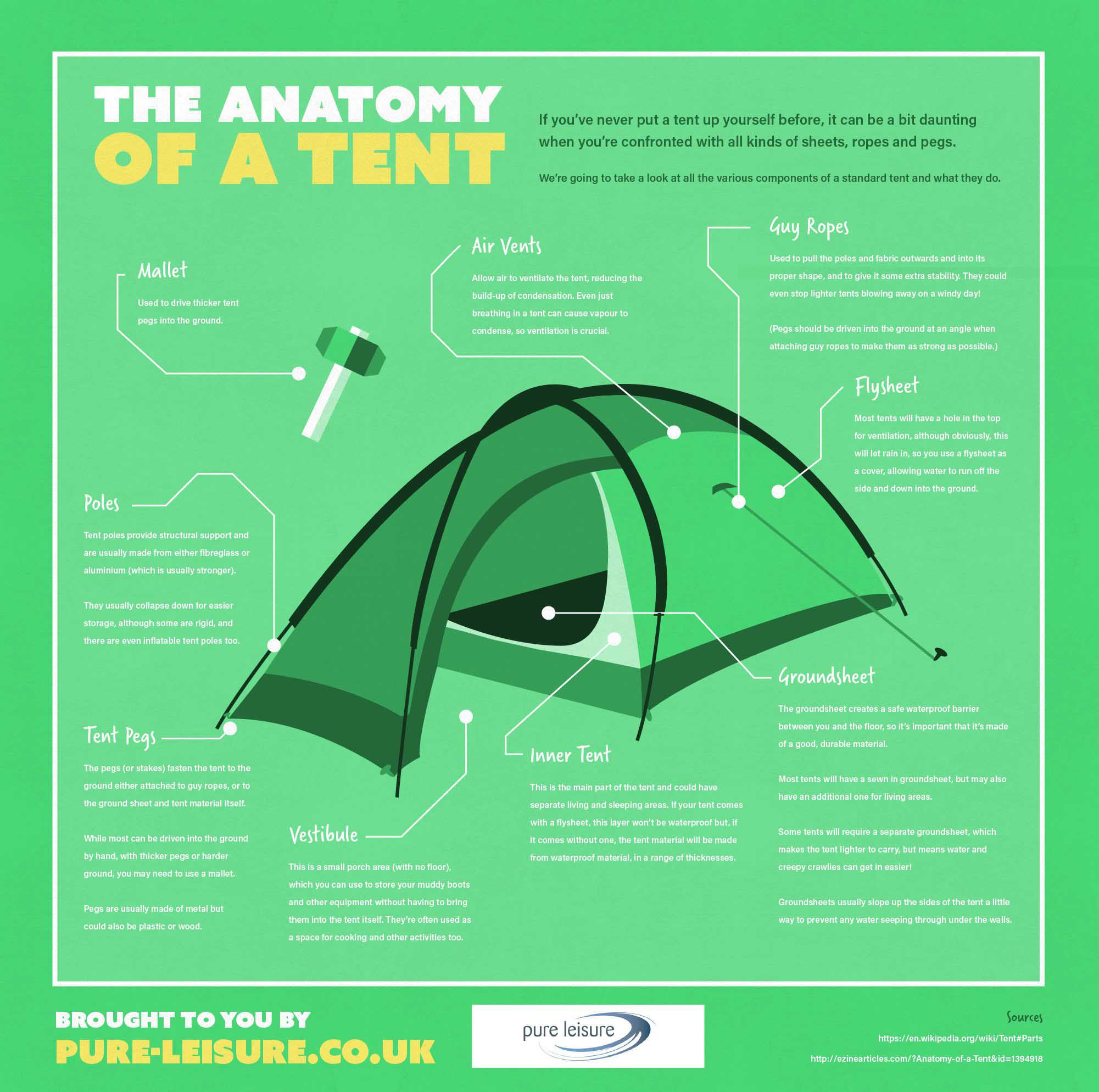
The Very Best Knot Strategies For Outdoor Tents Person LinesThe Hold Hitch is a straightforward and safe way to establish camping tent guy lines. It's additionally a great strategy for backing out a stubborn tent fix. It can likewise be used to develop an adjustable tarpaulin person line where the adjustment is made at the tent/tarp end. It serves in high winds as it does not slip.
1. Bowline
Bowline is a knot that makes a loop at one end of a rope. It's simple to connect and unknot, and it withstands obstructing rather well.
It's likewise an excellent knot to utilize for joining two lines together, although it's usually recommended that you use a different strategy (such as a sheet bend or square knot) for this objective, to stay clear of having both different bowlines use versus each other gradually and compromise the line.
One prospective problem with bowlines is that they can easily jam or bind if the functioning end is inaccurately travelled through the bunny opening. Numerous important failings have been reported as a result of this, particularly when utilized in climbing up applications. To aid avoid this from occurring, you can make a left-handed bowline by passing the end around the standing part of the loop instead of via it, as received the computer animation below. This variation reportedly carries out much better and withstands ring tension (a distending force used either side of the knot) much better than the conventional bowline.
2. Grip Drawback
Using these clutching drawbacks to protect your person lines assists you prevent the issue of your line jamming while readjusting or tightening them. They are additionally valuable when connecting a line to a things that is tougher to get to than your standing end, such as a tree or large support object.
The Grip Hitch is a friction knot that can be quickly moved up or down the line while slack however holds firm under load. It serves for tensioning ridgelines or person lines and for camping applications to safeguard tarps or tents.
To connect the Grip Drawback, pass the working end around the standing part twice and tuck it under itself. To tighten up, pull on the working end to create a bight and after that use the bight to safeguard the knot to itself. For included safety and security, you can cover the functioning end around the standing part 3 times to enhance rubbing and avoid the drawback from slipping under lots.
3. Midshipman's Hitch
Likewise known as the Taut Line Drawback (ABOK # 1856, p 310), Adjustable Hitch, or Rigger's Hitch this knot produces an adjustable loophole at the end of a rope that can be slid backwards and forwards the standing end but still holds securely when tightened. It is likewise easy to unknot while under load.
Ashley suggests this knot for a tent person line because unlike the hunting tent bowline it can be linked while under load and is much less prone to turning. It additionally develops an intermediate Awning Drawback that can take the initial tons while linking the final Fifty percent Drawback
To use this knot cover the functioning end around an item such as a pole or cleat. Following pass it back toward the things with the first Half Drawback creating a 2nd Awning Drawback. Lastly coating tying the final Fifty percent Drawback and pull hard to gown and tighten up. For additional safety and security cover a 2nd Midshipman's Hitch on top of the first.
4. Adjustable Hold Drawback.
The Adjustable Hold Drawback, additionally known as the Crawley Adjustable Hitch and the Adjustable Loophole Knot, is a rubbing hitch that can be quickly moved up or down a line with slack yet holds firm under load. It is typically made use of for readjusting tent ridge lines or tarps around camp.
This slide-and-grip knot supplies excellent grip and is simpler to connect than the Tautline Drawback or Midshipman's Drawback, but shouldn't be utilized for essential applications because it might slide when shock filled. It can be boosted by adding additional starting turns to enhance the "hold" and rubbing in unsafe products.
To link this rubbing drawback, pass the functioning end around the object, then wrap it back alongside itself and tuck the end under the second turn. Pull the working end to tighten the knot.